
Fintech Innovations Bridging the Gap for Unbanked Africans.
By Kwame Asante · 20 June 2026

Across the vast landscapes of Africa, millions of people still operate outside the traditional banking system, relying on cash for everything from daily purchases to sending money to family. Yet a wave of fintech creativity is changing that reality, offering simple tools that fit into the palm of a hand and work even where internet signals are weak.

Take mobile money platforms, for instance. What started as a way to top up airtime has grown into full service wallets that let users save, borrow, and pay bills without ever stepping into a branch. In countries like Kenya and Nigeria, these systems handle billions in transactions each year, proving that trust can be built through reliability rather than fancy buildings.
Why Traditional Banks Fall Short
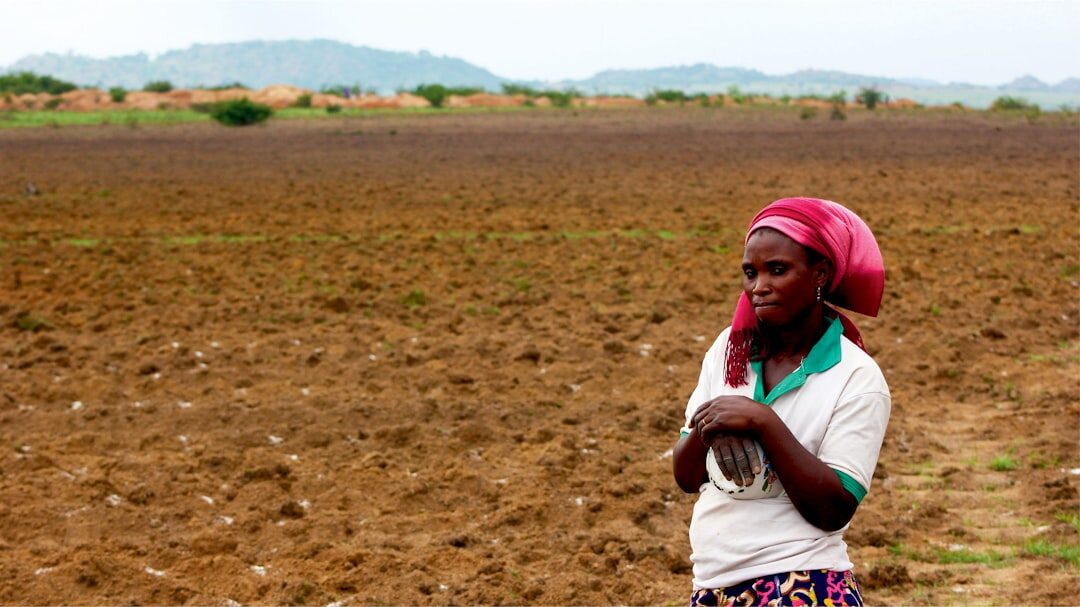
Many rural communities face long distances to the nearest bank and high fees that eat into small earnings. Paperwork requirements also block those without formal IDs or steady addresses. Fintech steps around these hurdles by using phone records and social connections to verify identity and assess credit risk.
Smartphone Apps and USSD Codes
Not everyone owns a smartphone, so successful solutions blend apps with basic USSD menus that work on any feature phone. This mix keeps costs low and reaches deeper into villages where data plans remain a luxury.

Artificial intelligence now powers chatbots that answer questions in local languages, guiding users through loan applications or savings goals. These bots learn from millions of interactions, getting better at spotting patterns that human staff might miss.
Real Stories of Impact
A small trader in Ghana once struggled to pay suppliers on time because banks closed before she finished market work. Now she transfers funds instantly via her phone and tracks every sale in a simple digital ledger. Her business has grown steadily, and she even qualifies for microloans based on her transaction history.
Fintech gave me the freedom to focus on selling instead of worrying about cash safety, says one user in Lagos.
Another example comes from farmers who receive weather alerts and insurance payouts directly to their wallets after droughts. These tools turn unpredictable seasons into manageable risks.
Challenges That Remain
Security concerns and occasional network outages still cause hesitation. Regulators work to balance innovation with consumer protection, creating rules that encourage growth without inviting fraud. Education plays a big role too, as new users learn to spot scams and manage digital balances wisely.
Looking Ahead
Partnerships between startups and established telecom firms are expanding reach even further. As more people gain access, the economic ripple effects could lift entire communities by unlocking savings, investment, and entrepreneurship on a scale never seen before.
The path forward relies on listening to local needs rather than importing solutions from elsewhere. When tools feel familiar and affordable, adoption follows naturally, turning the unbanked into active participants in a growing digital economy.